


External cladding styles for every home.
Browse our External Cladding range below
The style you love. The quality you need.
Timber weatherboards, brick veneer, corrugated tin, fibre cement sheets and rendered walls are all types of external cladding. The job of cladding is to line exterior walls and protect the interior of a building from wind, rain and cold. However, it has much more than a functional role.
There’s a wide variety of cladding materials, styles, and colours to choose from. Cladding can be the key design feature which determines the style of a home, office building or apartment building. Home designs with structural wall materials like double brick or stone blocks don’t require cladding.
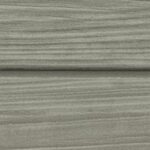
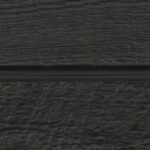
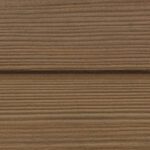
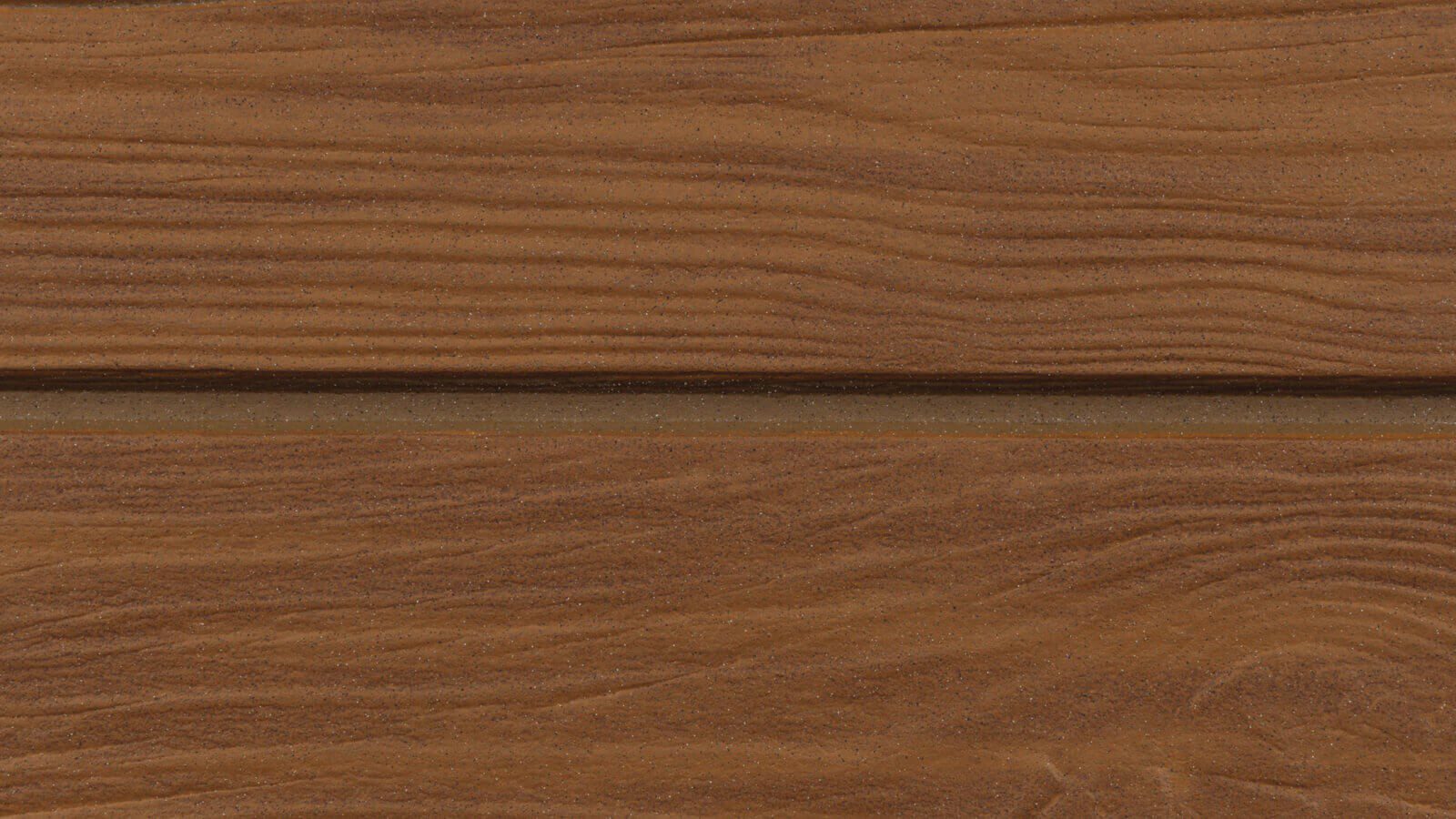
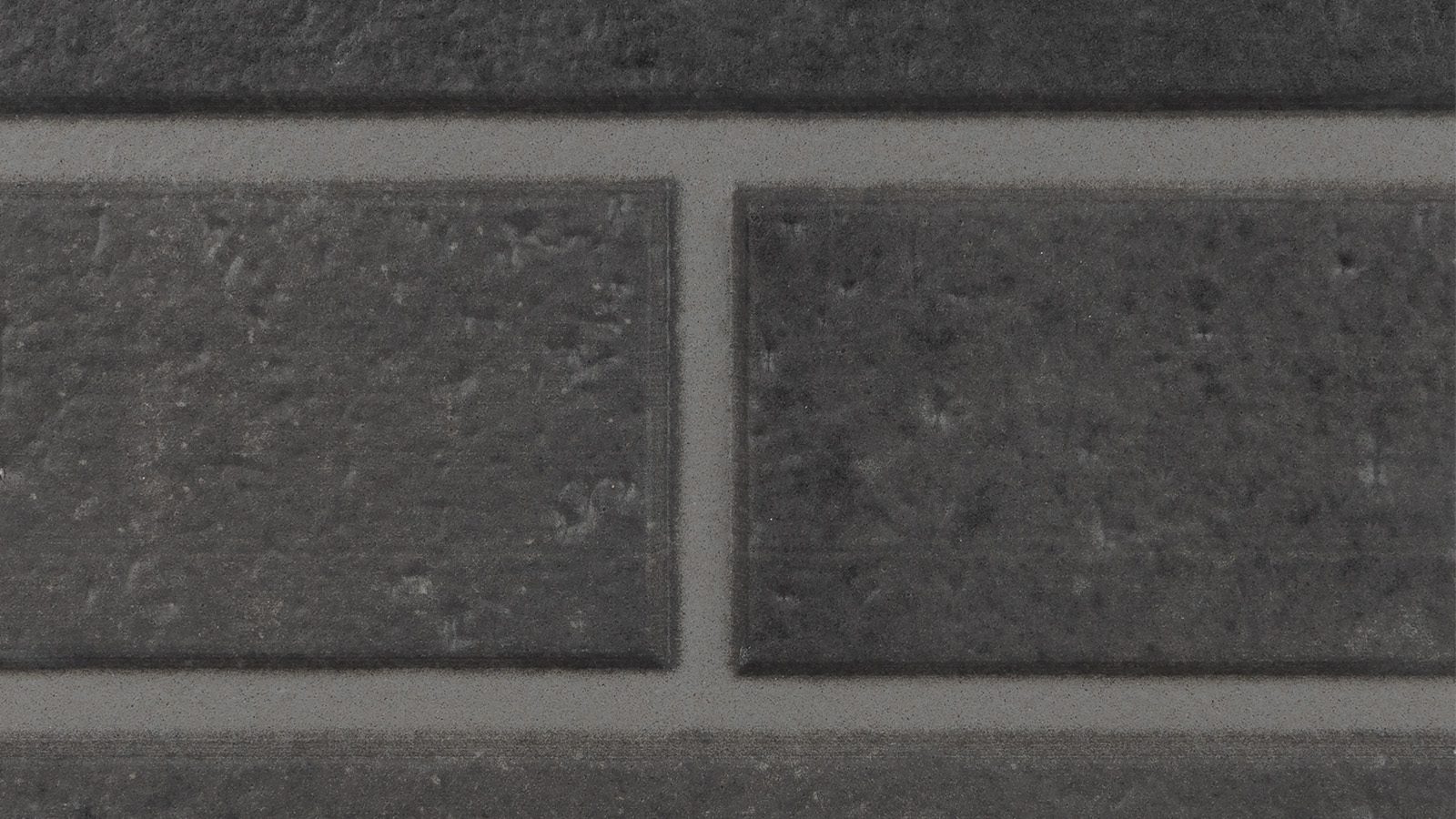
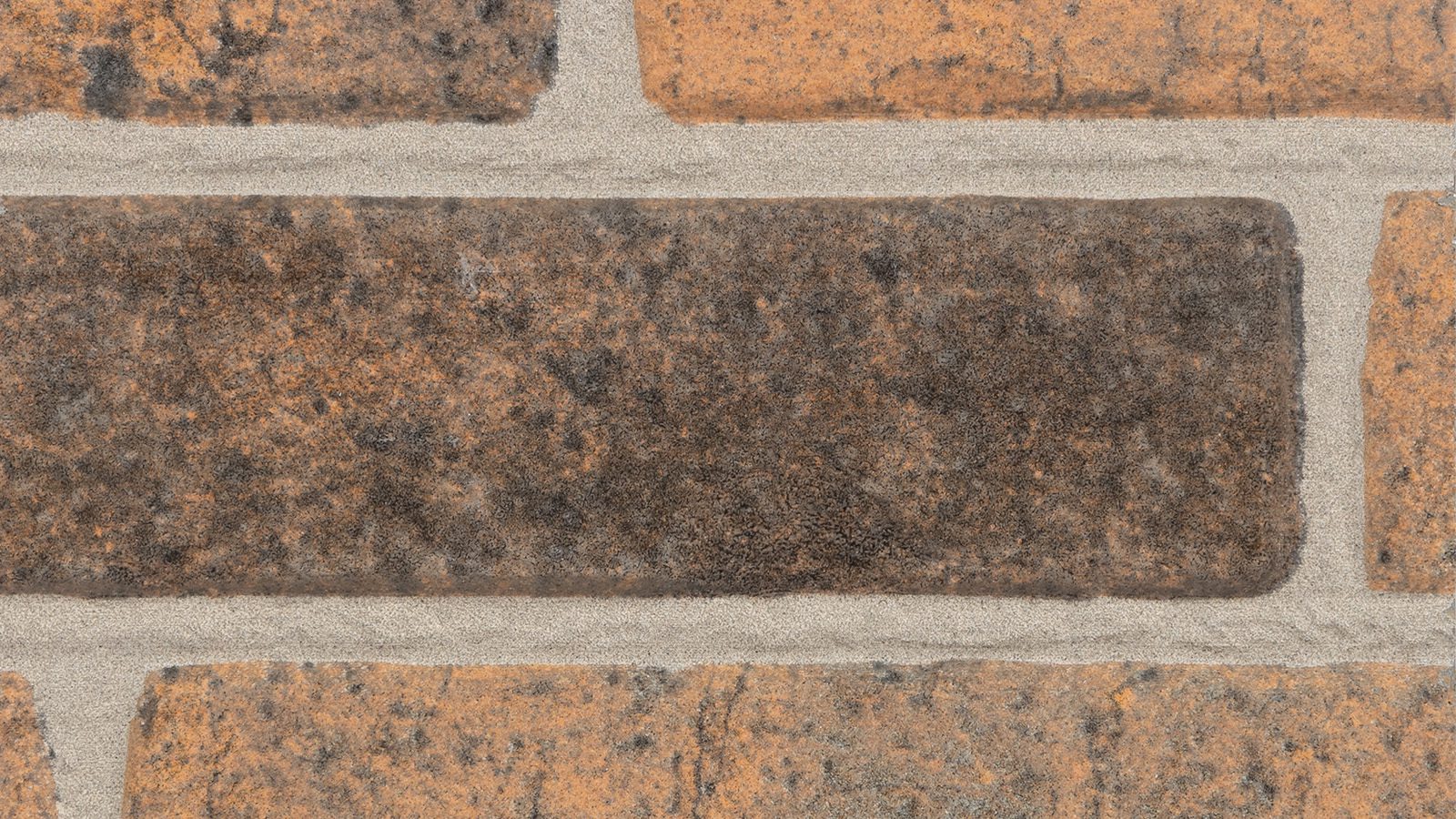
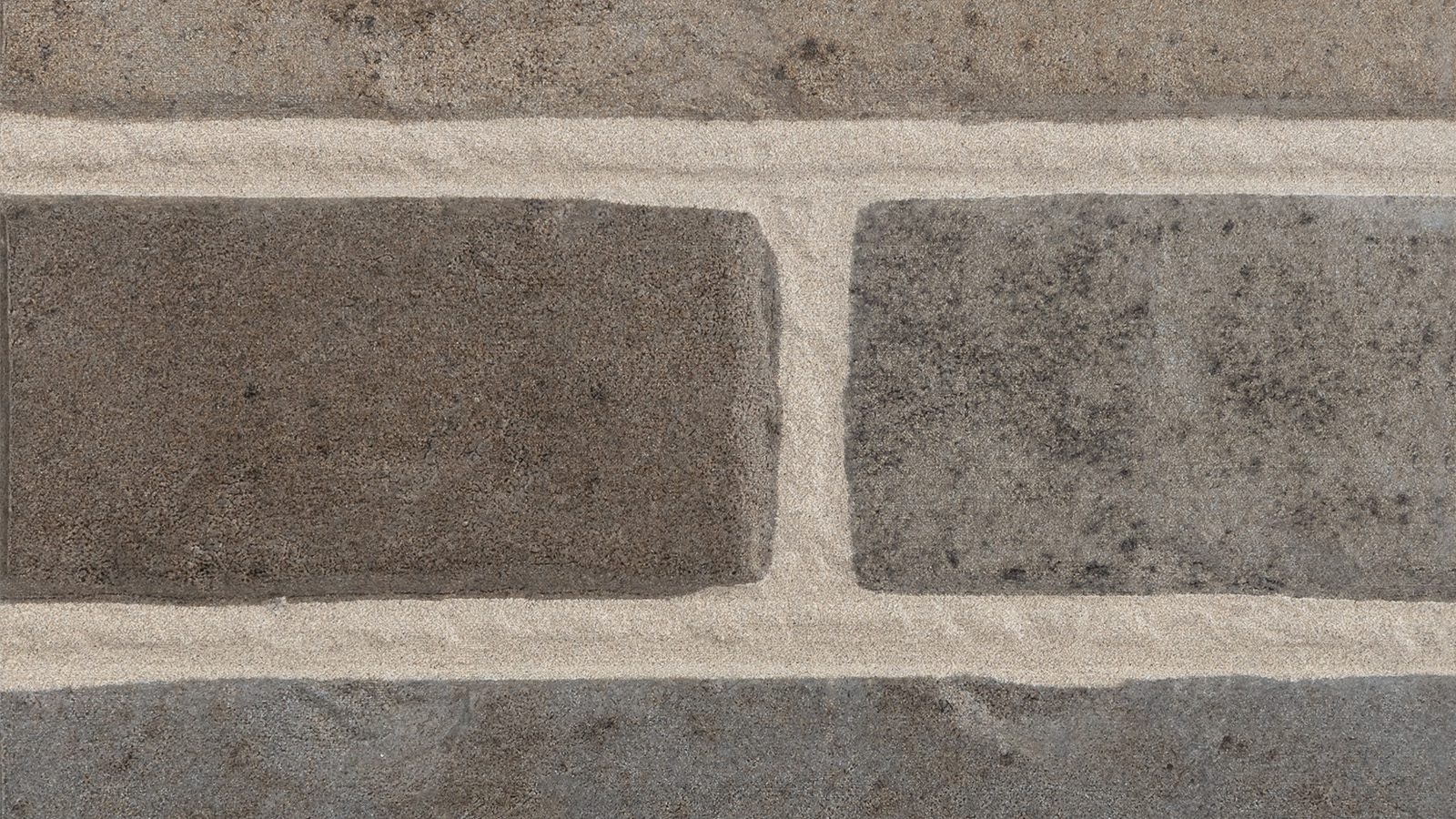
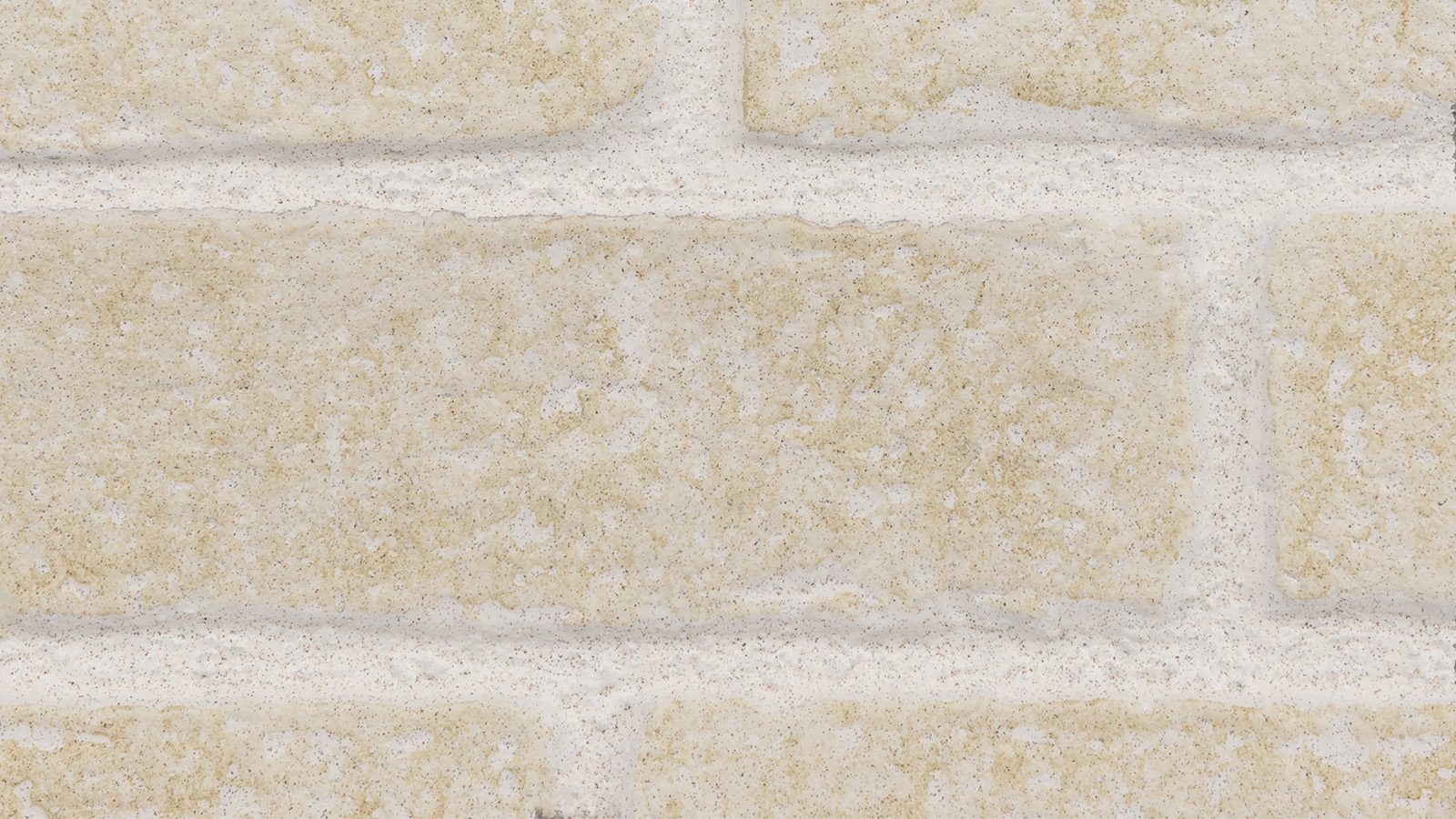
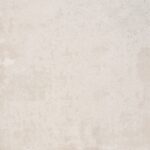
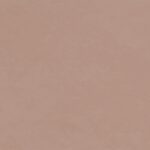
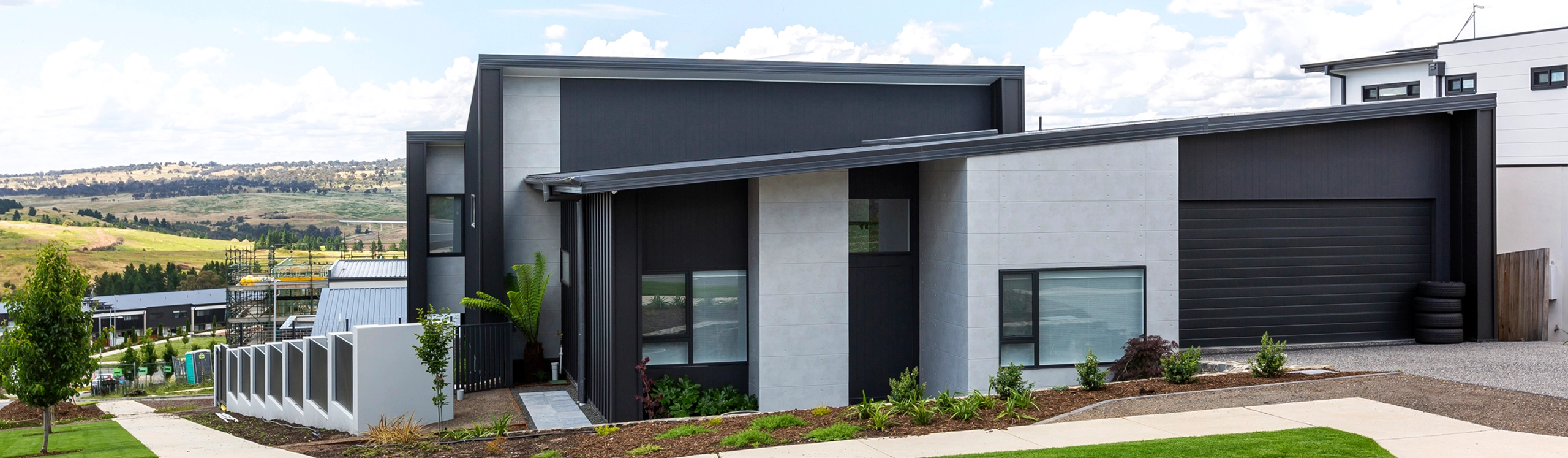
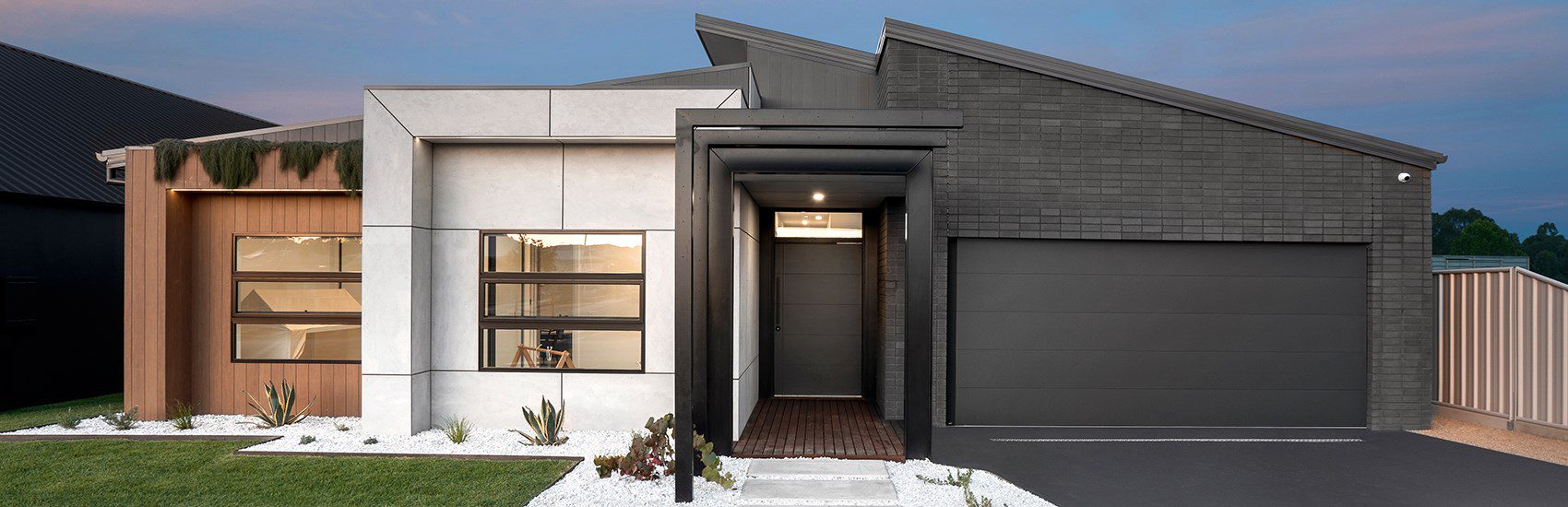
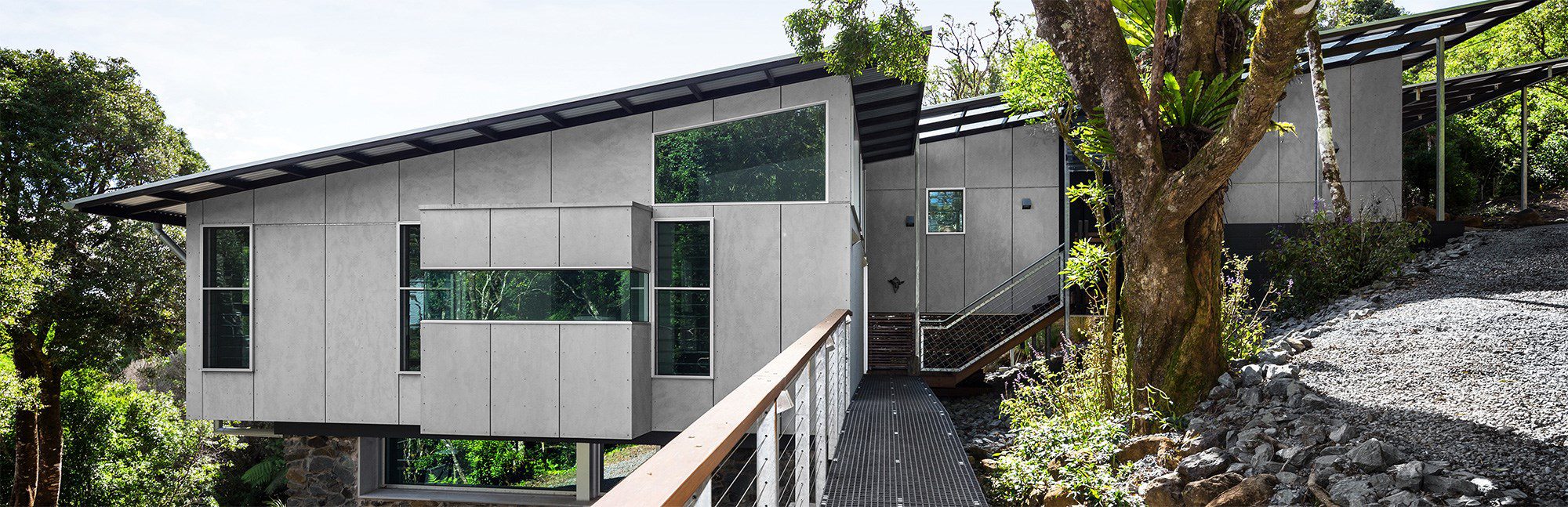
CSR Cemintel® has an incredibly wide range of prefinished cladding. The range features products with the appearance of timber cladding, cast concrete panels, rustic brick and rendered masonry among others. All Cemintel’s cladding products are fibre cement or cement bonded fibrous particle board. It clearly achieves the look of other materials while providing durability and low maintenance advantages.
















Sort
Frequently asked questions
-
What is External Cladding?
It’s the protective and decorative covering on the external walls of a building. It prevents wind and rain from entering the building. Exterior wall cladding comes in many styles. Architects and designers consider cladding selection carefully as it contributes significantly to the overall design of a building.
-
How do you install cladding?
External cladding is easy to install. Nevertheless, it should be installed by a qualified professional with an intermediate knowledge level of building design and construction.
Carpenters are tasked with installing most cladding. Most of the time they install it to timber frames or light gauge steel frames. They can also install it over concrete or masonry walls, providing the substrate can hold the extra weight.
Different cladding styles require different installation methods and fixings. Territory™ cladding uses a clip system that’s screwed onto timber frames concealing all but a few of the fixings. Surround™ cladding, on the other hand, is fixed to metal top-hats using special rivets.
All Cemintel cladding products have comprehensive installation guides. These should be read before installation and followed during cladding installation.
-
Can you drill into cladding?
You can drill into external wall cladding. People drill into cladding to install exterior lights or house numbers. When attaching something heavy to cladding, it’s best to drill through the cladding and into the structural frame. It’s important to wear the correct Personal Protective Equipment (PPE) when drilling to protect your eyes and lungs from dust.
-
How much does external cladding cost?
Pricing varies depending on your project and the amount of cladding required. For an indication of pricing, please email [email protected] or get in touch with your Cemintel account manager.
-
How do you fix external cladding?
You can fix fibre cement cladding or timber cladding onto a timber frame with nails or screws. In building terminology, “to fix” means “to attach”. Similarly, nails and screws are referred to as “fixings”.
“Direct fixing” is the description used when cladding is attached directly onto a frame.
“Cavity fixing” on the other hand, is a cladding solution where battens or top hats are fixed to the frame. Then the cladding is fixed to the battens or top hats. This results in a cavity between the wall and the cladding. This can be good for moisture management and the performance of the building.
-
How do you clean exterior cladding?
Cladding becomes dusty and dirty over time. It’s best to clean it with warm, soapy water and a brush. Then hose off the soap. Use no more than 700psi of water pressure with a hose nozzle on fan mode at a distance of at least 500mm away from the face of the wall. Apply water pressure in a downward direction and away from joints. For more information see Cemintel’s guide to storage and handling.
-
Is cladding resistant to fire?
Cemintel’s range of external fibre cement cladding complies with the New Zealand Building Code (NZBC) requirements for fire performance, making it suitable for applications where non-combustible materials are specified. These cladding products have been tested and certified to meet NZBC Clause C (Protection from Fire), with specific compliance details available on the product pages.
Other applications
Inspire
Latest topics, projects and people that help shape architecture, design, building and construction.
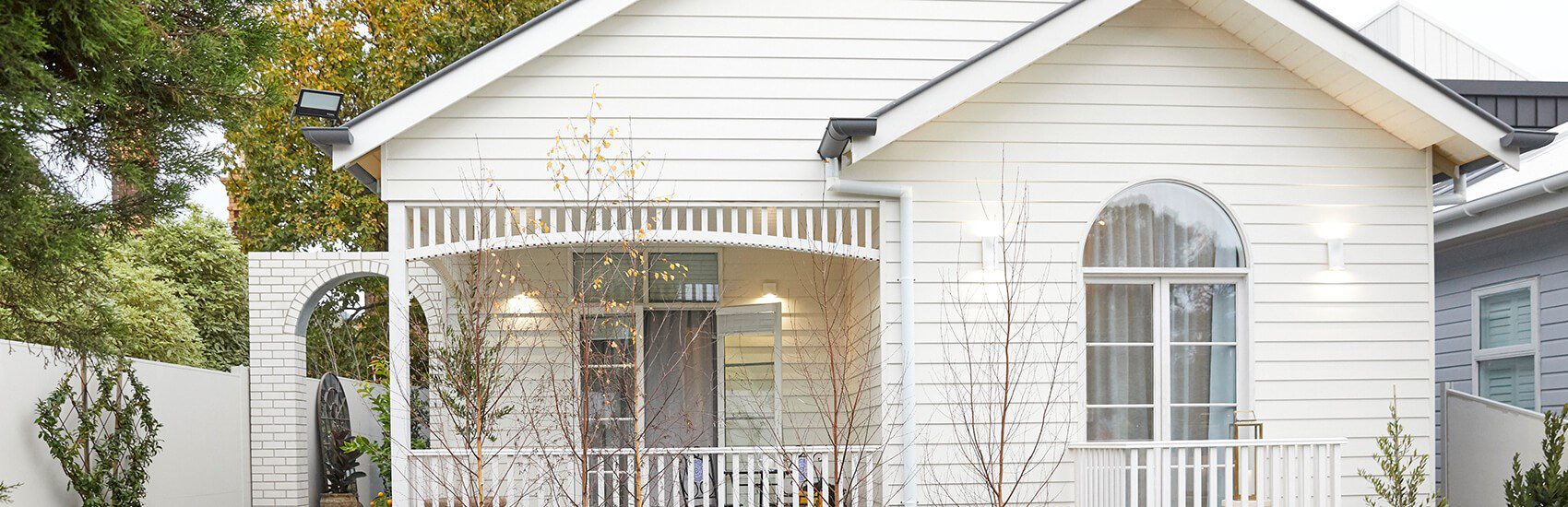
The Benefits of Fibre Cement Cladding
Durable, versatile and hard-wearing, fibre cement cladding is becoming the material of…
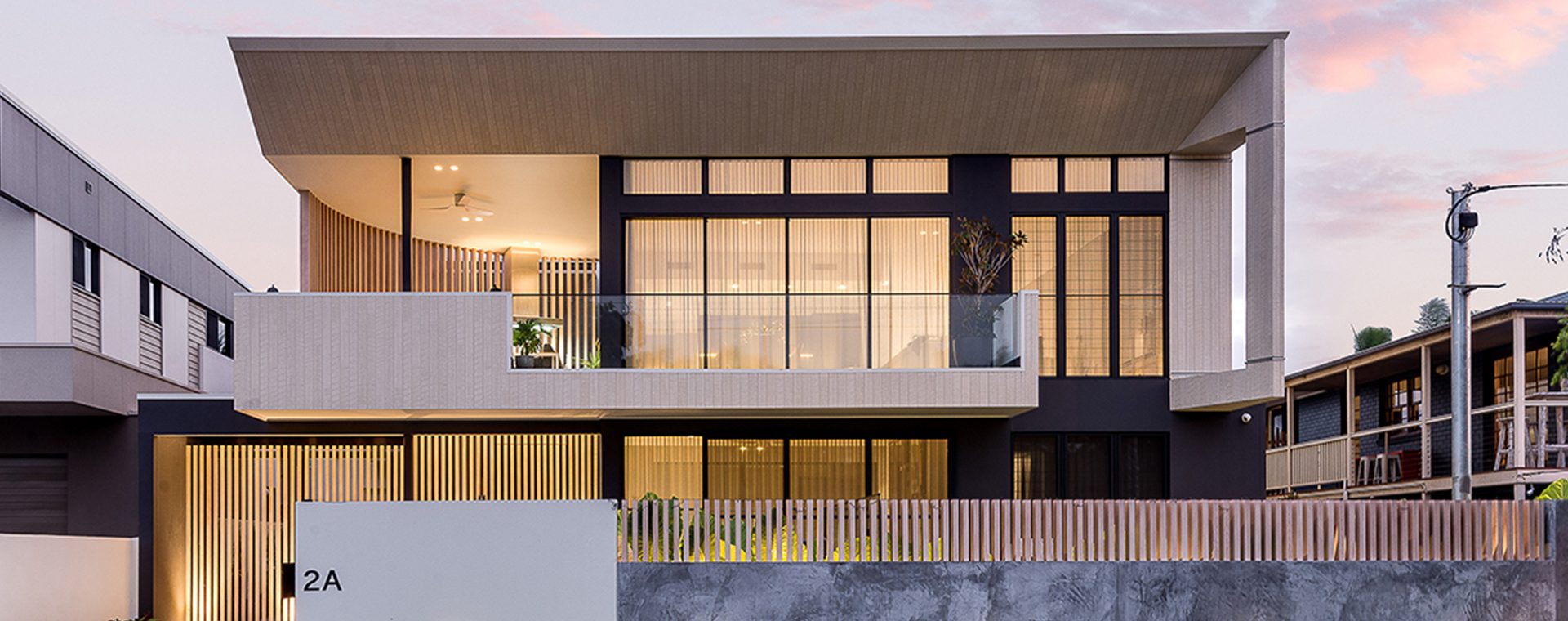
Cemintel and Hebel create homes from the outside in
Choosing the right building materials is all about a holistic approach to…
Five considerations when building a home
Set up your build for success with these five practical tips –…
Get the Barestone Look
Searching for the perfect look for your home? Discover the array of…
Speak to an expert
Simply complete the form to get in touch with one of our Cemintel experts.